Guide Articles
Browse every guide article in one place.

Keyword Research for Conversational and Voice Queries
Build conversational keyword research into a process using People Also Ask, Search Console and a scoring grid, then map each query to a landing page.

How to Build an AI SEO Strategy From Scratch in 2026
Build an AI SEO strategy from scratch with a 90-day plan covering technical foundations, AI-citable content, answer visibility tracking, and measurement.
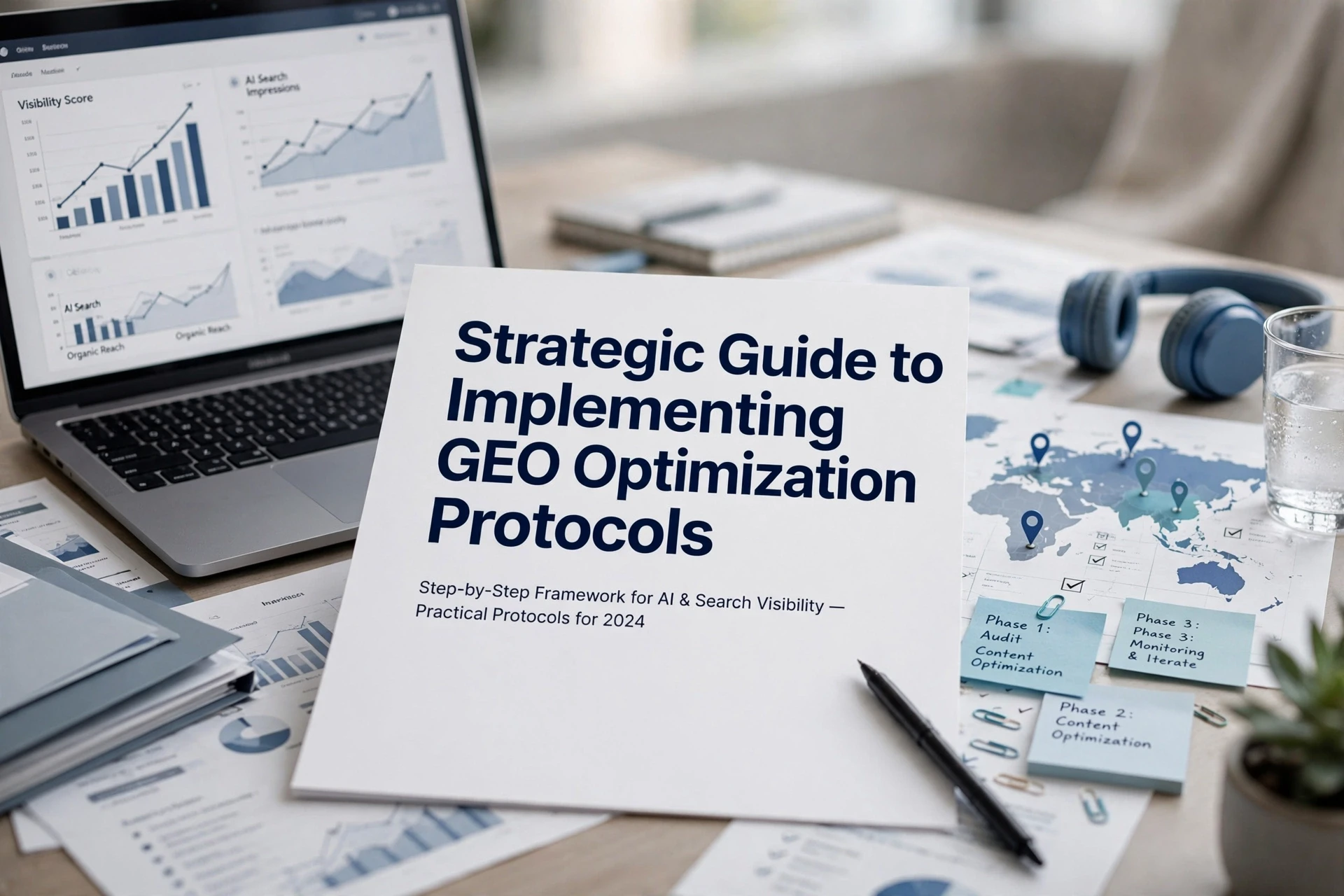
Strategic Guide to Implementing GEO Optimization Protocols
Use a six-phase GEO optimization protocol to improve AI citations with crawler access, answer-first content, schema, topic clusters, governance, and tracking.
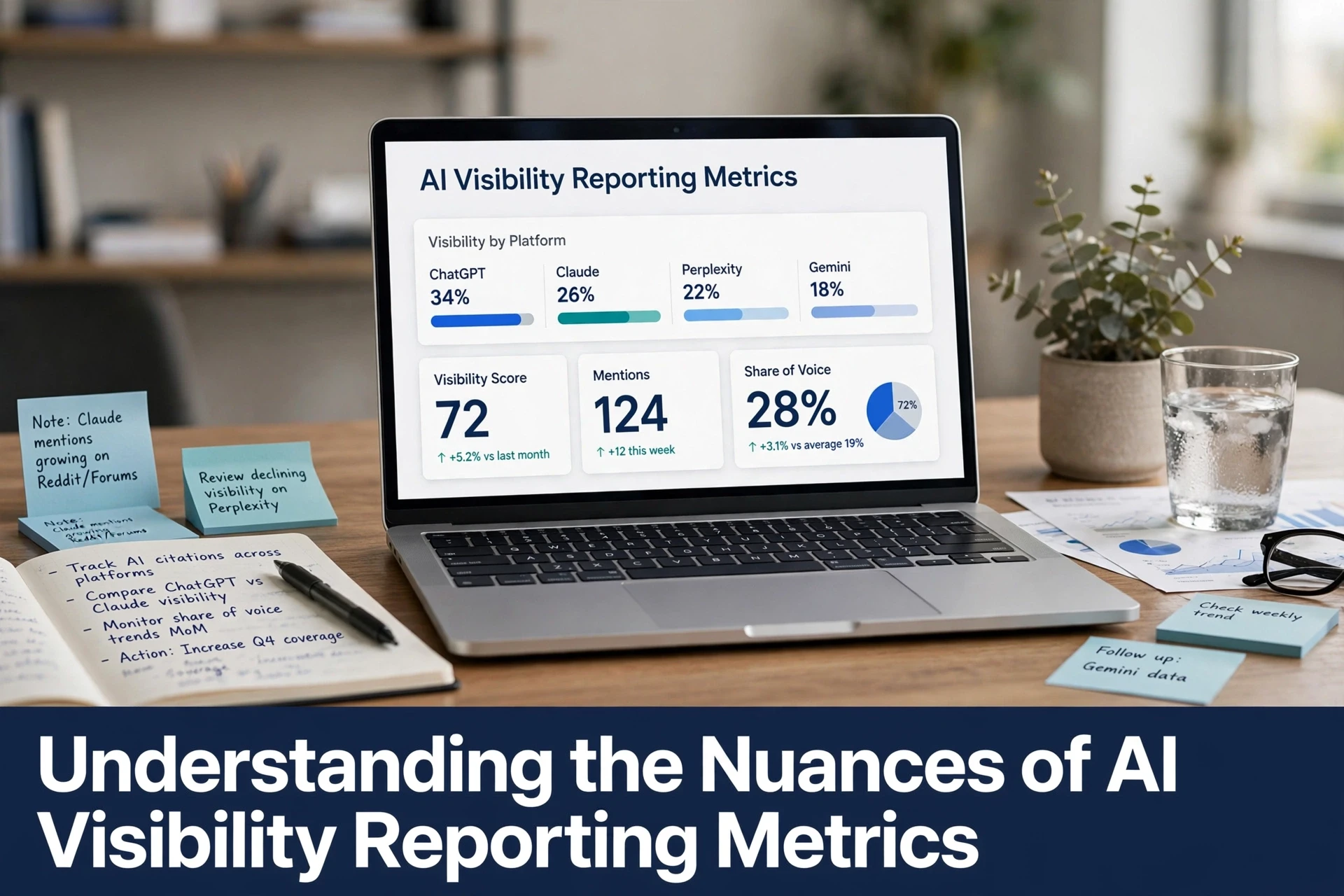
Understanding the Nuances of AI Visibility Reporting Metrics
AI visibility metrics need context. Learn how platform weighting, prompt bias, and volatility affect reporting, plus how to track reliable trends.

How to Use Topic Clusters for Better Topical Authority
Build topical authority clusters that strengthen site-wide rankings. Map a pillar and 8 to 15 spokes, fix cannibalization, link content, and track results.

Advanced Keyword Research Tactics for Voice and AI Search
Keyword research for AI search starts with real conversational questions. Map query fan-out, track 20 to 50 prompts, and find gaps that block AI citations.

Selecting an SEO Platform for International Market Expansion
Choose an SEO platform for international expansion with a weighted scorecard, a two-market pilot and must-have checks for hreflang, local data and scale.
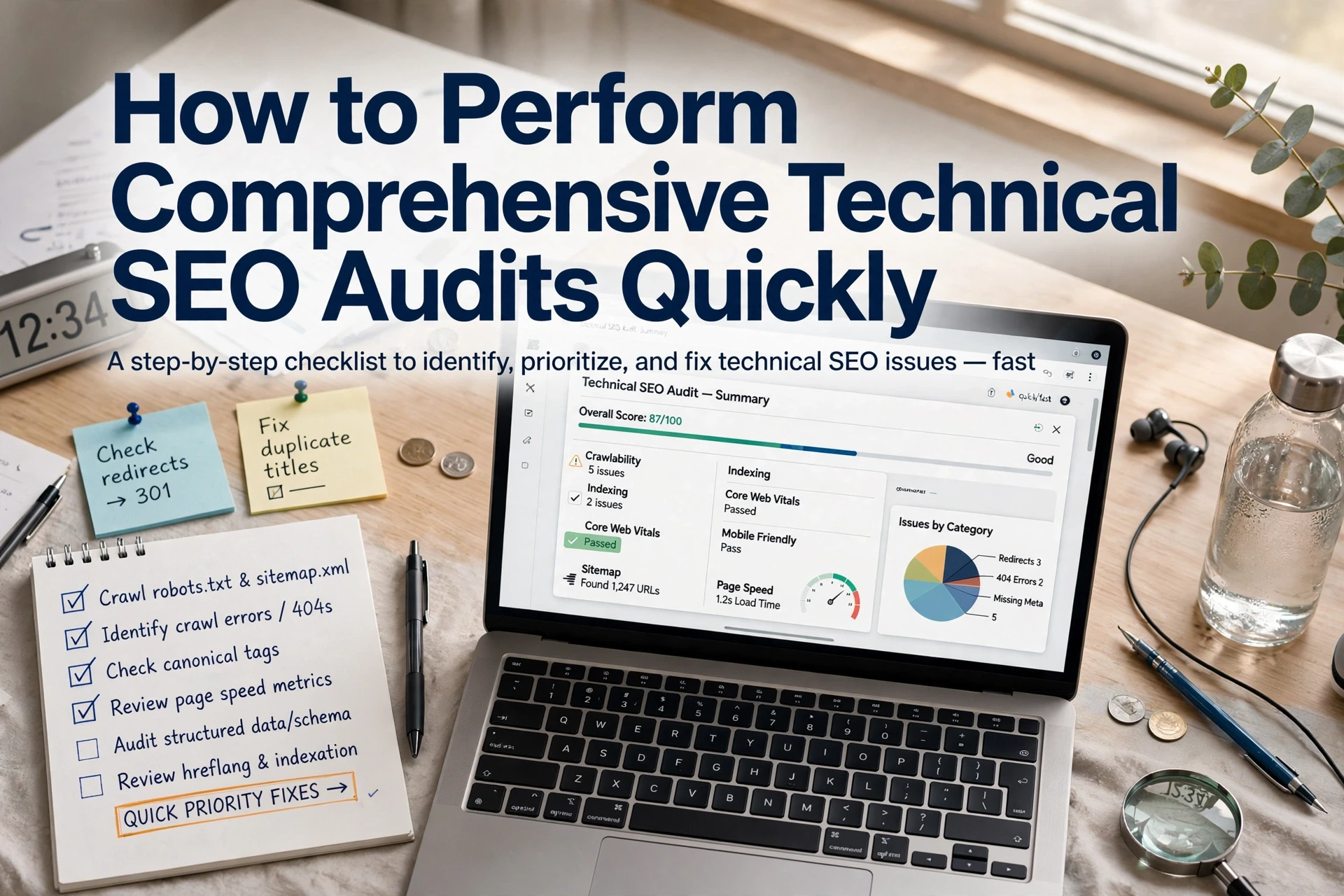
How to Perform Comprehensive Technical SEO Audits Quickly
Run a fast technical SEO audit in three hours with a scoped crawl, manual rendering checks, Core Web Vitals, and a prioritized, one-page fix list.

How to Choose the Right AI-Powered SEO Platform Today
Choosing an AI SEO platform starts with your priorities. Use a weighted scorecard, a 30-day trial, and checks for AI visibility, data ownership, and cost.
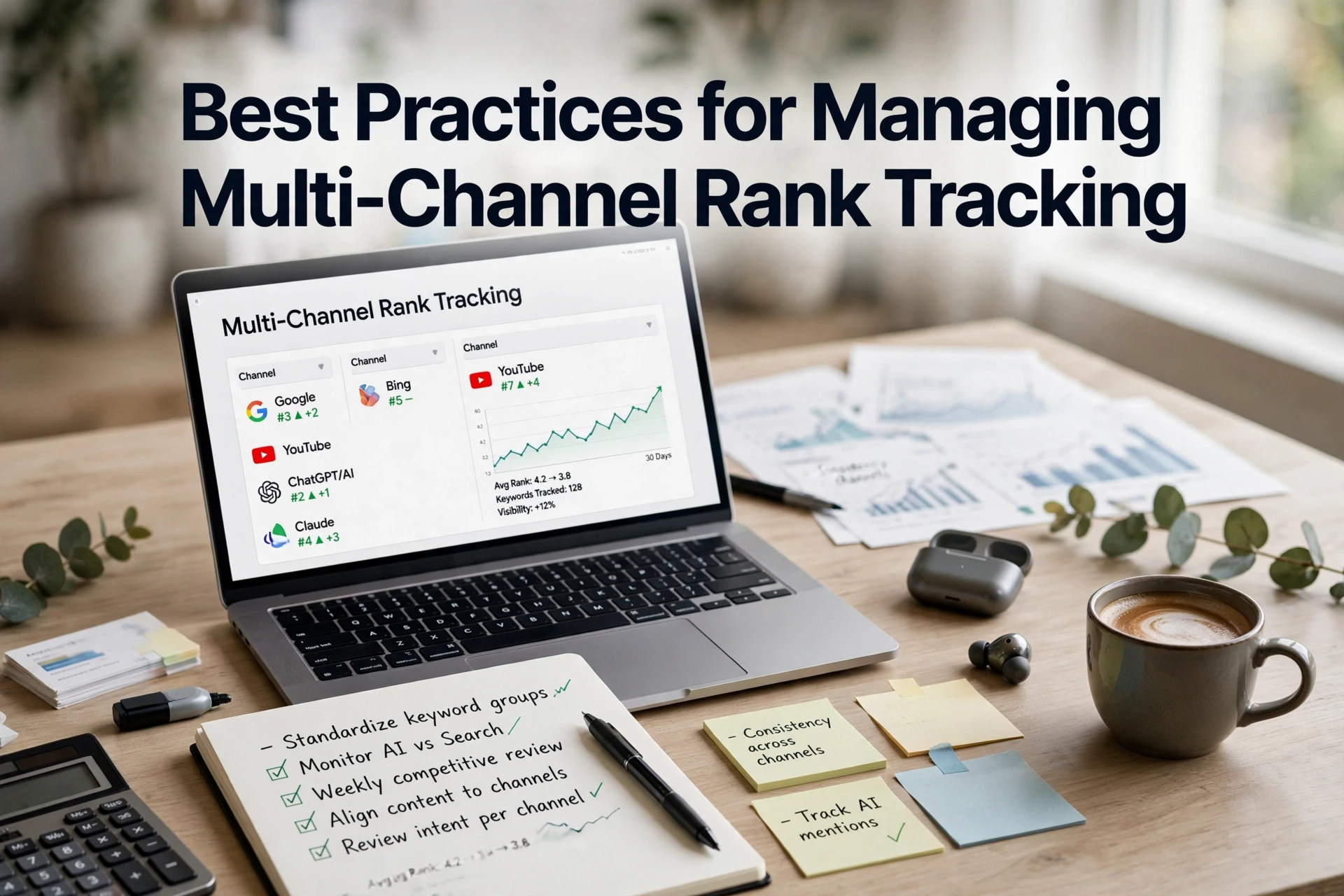
Best Practices for Managing Multi-Channel Rank Tracking
Managing multi-channel rank tracking helps teams compare performance across brands, markets, and channels with consistent metrics, clear ownership, and actionable reporting.